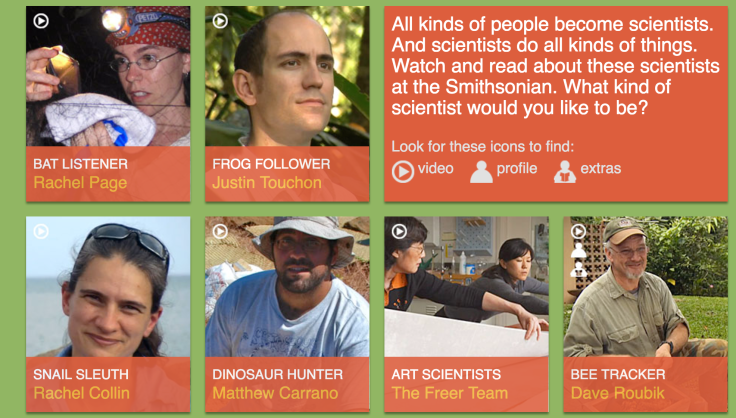
Scientists at the Smithsonian

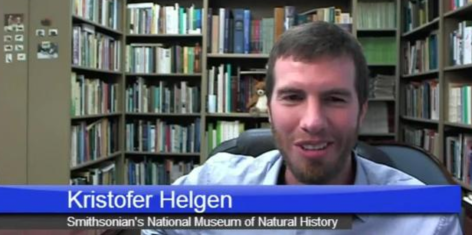
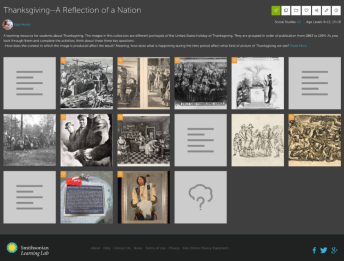
This site has bios and more dedicated to meeting the scientists who are a part of the Smithsonian Institution. Depending on a particular grade level’s unit of study (ex. SK bat unit, 2nd grade’s rainforests, Middle School’s Earth science…) they could be interesting introductory snippets. There is also contact info for potential distance learning opportunities.
Screen Shot 2018-08-16 at 2.35.12 PM
Screen Shot 2018-08-16 at 2.40.46 PM

KAHOOT

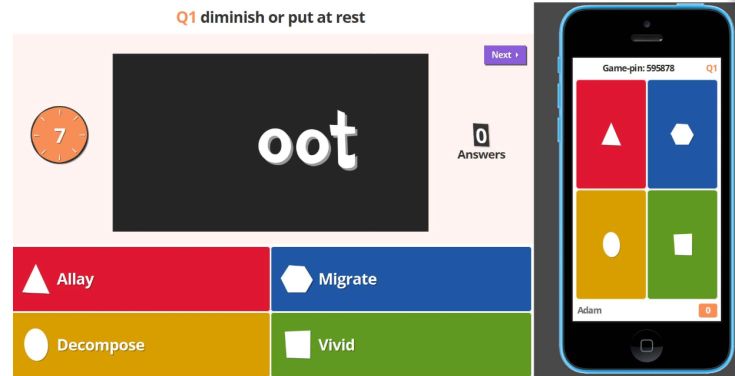
Chances are, you are already familiar with Kahoot and are actively using it with your class for fun review sessions. If you are unfamiliar, it is a quiz making platform that has an interactive student/teacher interface. There are many ways to personalize it beyond its surface features. It is also worth noting that it is available on all library iPads as an app, which can be useful in groups or as a more mobile option when reviewing for a test.
Screen Shot 2018-08-16 at 2.23.29 PM

Click HERE for a video overview

Stone Soup

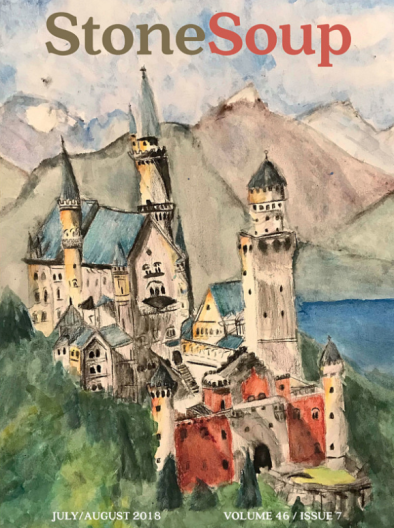
Stone Soup has been around for a while but it is still one of the top online literary magazines where students can submit their writing or art. Because of the frequency of publication, there is a greater likelihood of one of our young writers or artists being honored.
Screen Shot 2018-08-16 at 1.55.56 PM

Teaching Tolerance

You are likely already familiar with this fantastic resource but may not have visited their website. There are tons of updated resources that pair well with teaching literature or social studies.
Screen Shot 2018-08-16 at 1.42.30 PM

The Literacy Shed

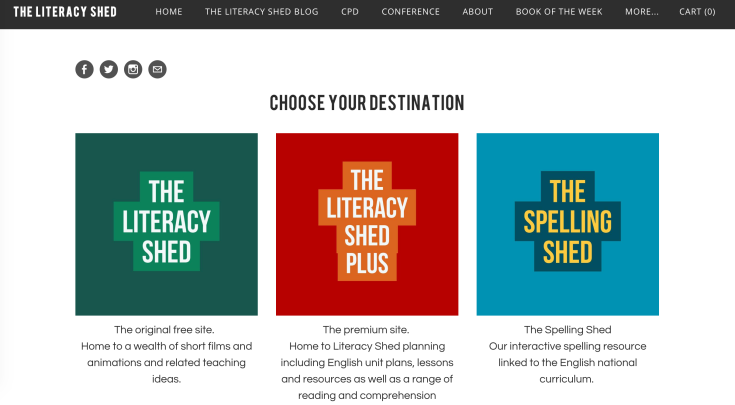
The Literacy Shed has a free component that is still a wealth of resources for teaching English, even when you don’t use the paid version. It has videos, posters, printables, etc…
It also contains a great photo library for picture prompts, animation, story starters and more. There is a new feature, The Spelling Shed, that can be a great resource for students to complement any grade level spelling program currently used at different levels.
Screen Shot 2018-08-16 at 1.29.03 PM

FLIPQUIZ

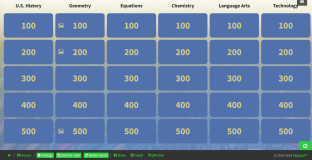
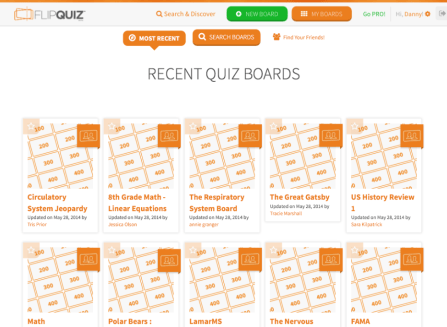
FLIPQUIZ is a resource for making Jeopardy-style games. It doesn’t link you to student responses, in the same way, some of the other platforms like Kahoot or Quizlet do, but it is a good option to have on hand, particularly for students that want to use this as a component to a presented lesson.
Click HERE try out a live demo template
Click HERE for a video overview
Screen Shot 2018-08-15 at 6.27.20 PM
Screen Shot 2018-08-15 at 6.30.44 PM

FLIPGRID

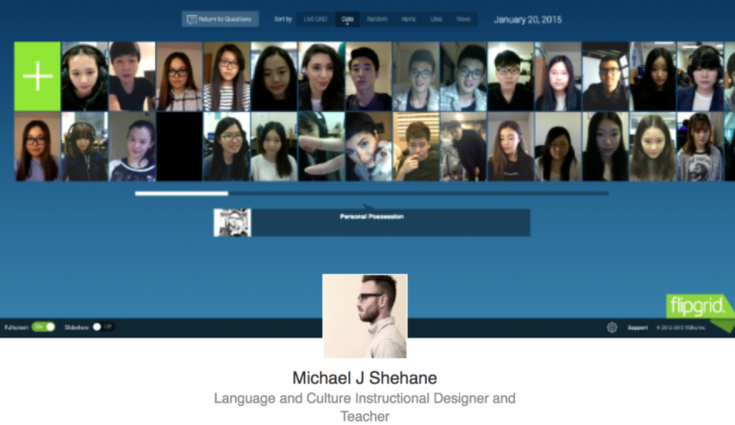
Flipgrid is a popular platform for sharing and valuing individual student voice. As the teacher, you “proctor” in a sense and students submit responses to lessons, homework, discussions, chapters, videos etc…
Screen Shot 2018-08-15 at 6.17.22 PM
Click HERE for a quick video overview.

EDpuzzle

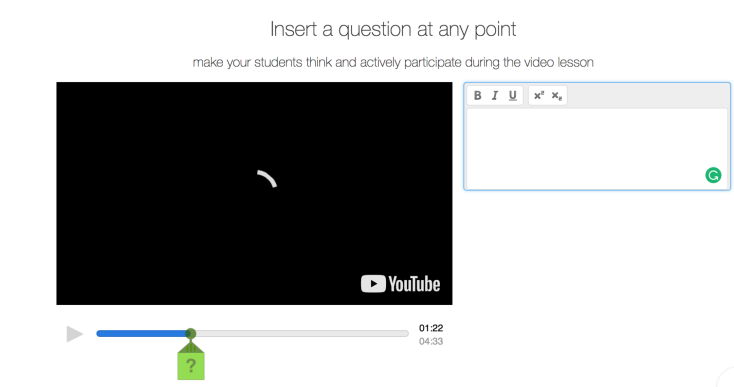
EDpuzzle is a program that lets you easily create lessons/mini-lessons and quizzes that incorporate video clips that you and/or students can annotate. It is a solid tool for both teacher designed and student created lessons.

Screen Shot 2018-08-15 at 6.00.24 PM

Fantasy Map Generator

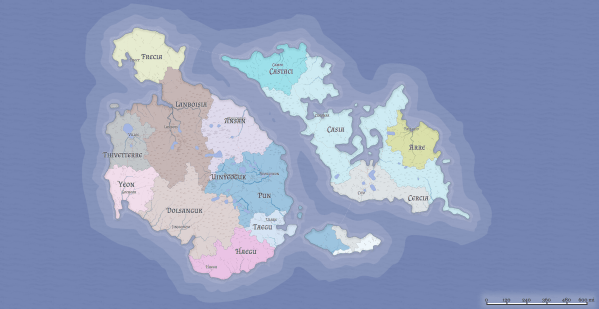
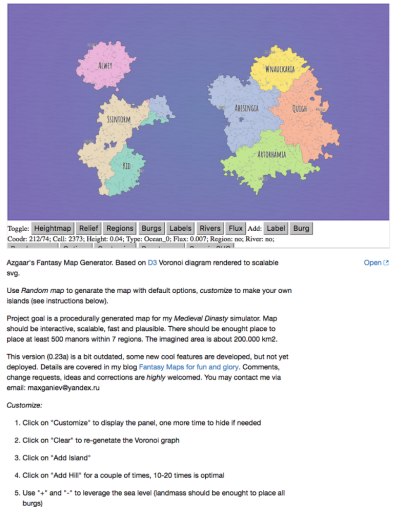
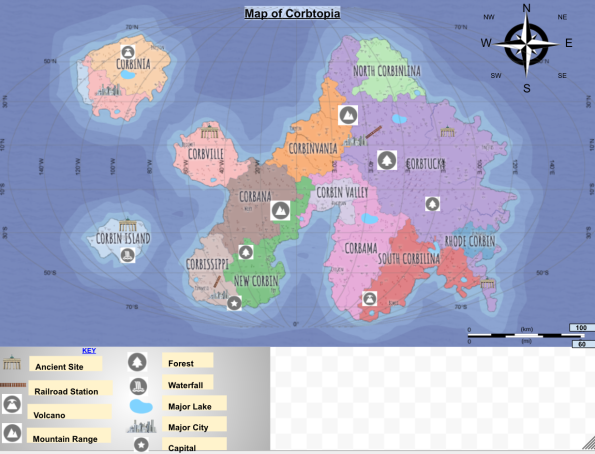
This is a map making resource where students can create their own fantasy world. It is one way to incorporate coding into a project where you want students to create a utopia/distopia and establish a government or teach about the flow of a planet’s resources. However, students can also just edit within the map and options menus without coding if it makes more sense for your lesson. To take it a step further, students can first generate and re-name a map here, and then import it into another mapping program to mark up, or even beyond that, bring it into coSpaces to get a “virtual view”.
Screen Shot 2018-08-15 at 5.25.10 PM
Click HERE for a few additional helpful resources you can adapt from a project some of our students used to create their own.
Screen Shot 2018-08-15 at 5.34.17 PM

Google Tour Builder

Google Tour Builder continues to become more powerful in its ability to create interactive maps and presentations, blending a multimedia map-making platform within Google Earth. Virtual reality is at the forefront of some of the biggest additions to the latest version. NOTE: The Tour Builder platform will be discontinued and merged into Google Arts and Culture in June 2021

NewseumED

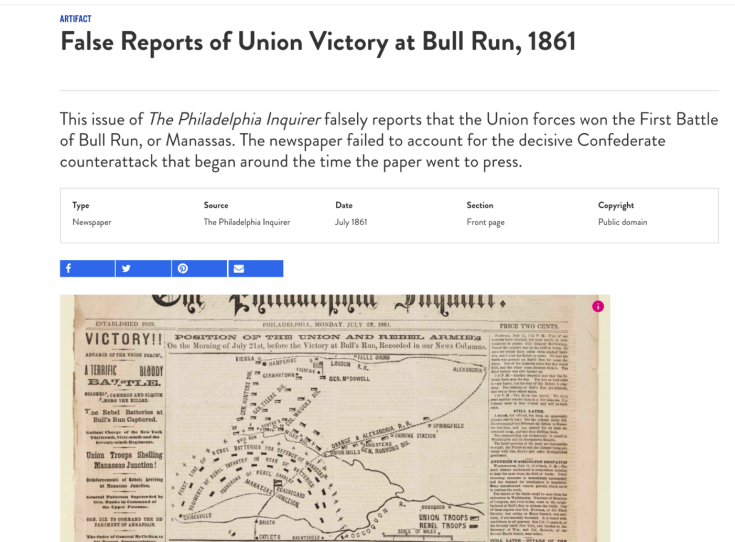
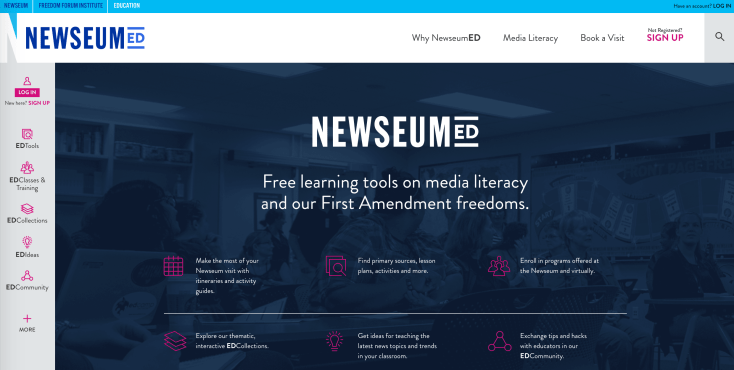
The Newseum has a really robust education branch that contains a huge volume of maps, primary sources and more. It also is a fantastic resource for teaching students about how to evaluate news and quality of information.
Screen Shot 2018-08-15 at 4.57.47 PM
Screen Shot 2018-08-15 at 5.02.14 PM

Tiki-Toki Digital Timelines

This site is a powerful way to help students gain perspective of time and space. There are multiple views that you can toggle between and many students can collaborate to create a master timeline
Click HERE to check out a timeline created by 4th graders during their study of explorers.
Screen Shot 2018-08-15 at 4.45.28 PM
2D View
Screen Shot 2018-08-15 at 4.46.29 PM
3D View

ThingLink

ThingLink is another option for independent student projects, or unit wrap-ups for students to show what they have learned. Click HERE to examine the picture below to see how one could embed info into an animated gif. There are unlimited possibilities for using this platform either in teaching, student learning, assessment, and lesson enhancement.
image

Tinybop

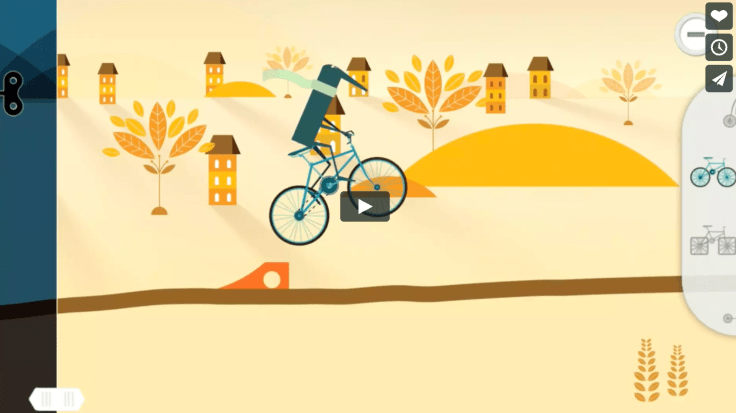
Tinybop is another app that allows students of a variety of ages to construct a course filled with ramps, gears, and pulleys to traverse through a scene.Screen Shot 2018-08-10 at 9.52.59 PM

Water Cycle App

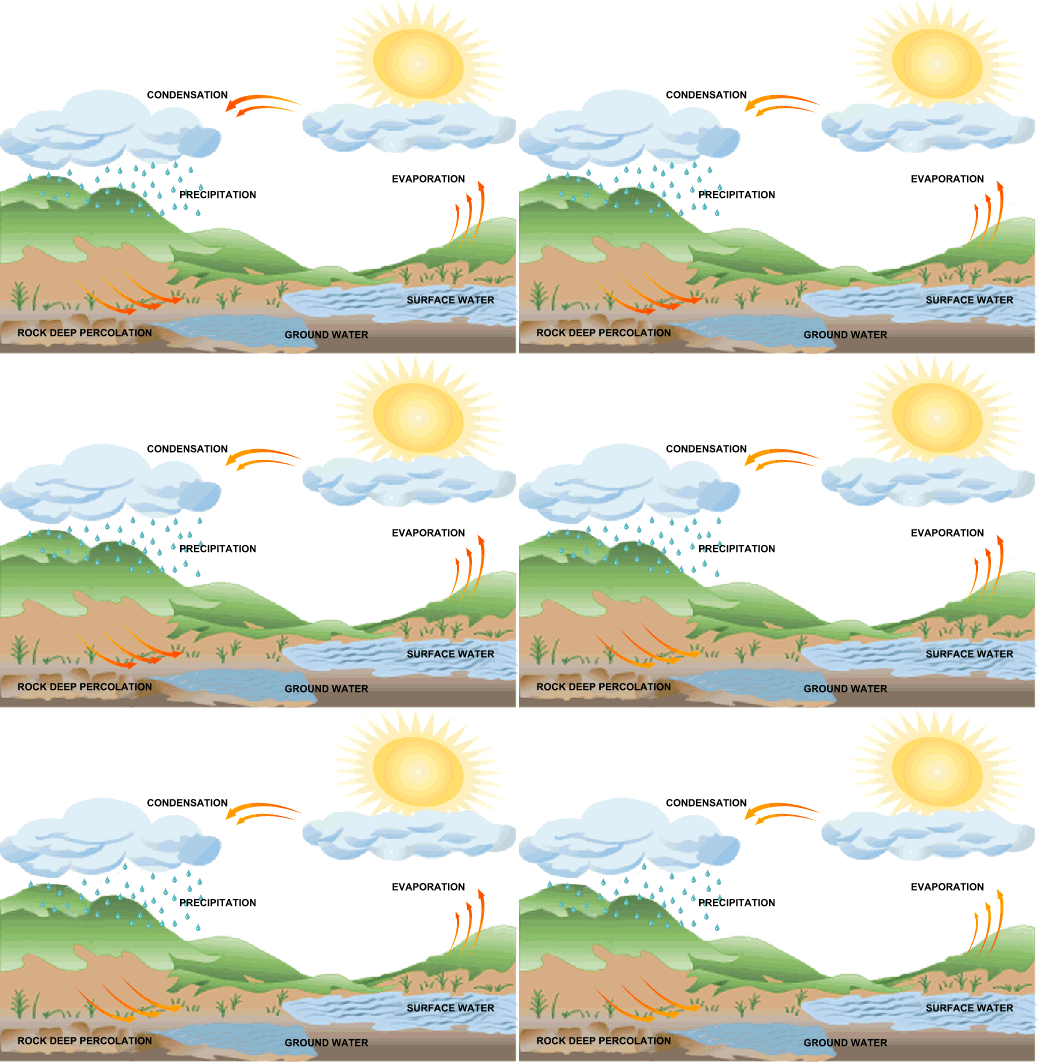
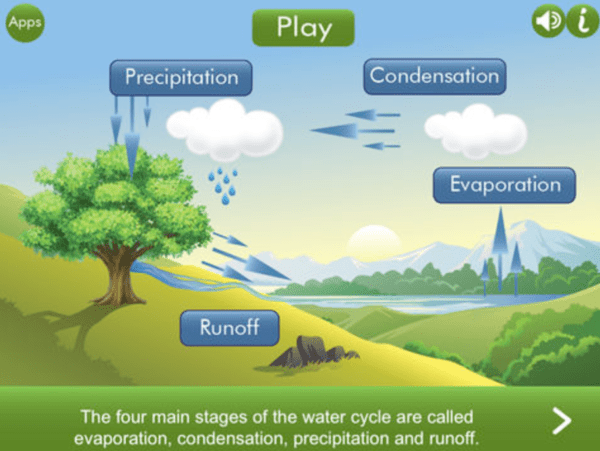
There are tons of apps that support teaching lower school science. This app (also a site) centers on the watershed and contains a number of interactive models to show students.

CoSpaces

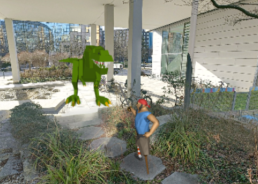
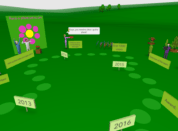
CoSpaces could actually live anywhere on this menu as it is more a platform whereScreen Shot 2018-08-07 at 10.32.32 PM can create a 3-D world embedding any content they wish. One particularly powerful possibility is having students create a virtual museum, either collectively or individually.
Screen Shot 2018-08-07 at 10.32.23 PM
Students wishing to code may do so as it can use drag and drop for the non-coder, block-based coding for the novice coder, and java for the advanced coder. As a cherry on top, students can explore their world, museum, etc… using a virtual reality headset. 
 
Screen Shot 2018-08-07 at 10.32.42 PM
Screen Shot 2018-08-07 at 10.32.55 PMScreen Shot 2018-08-07 at 10.33.05 PM

Wonderopolis

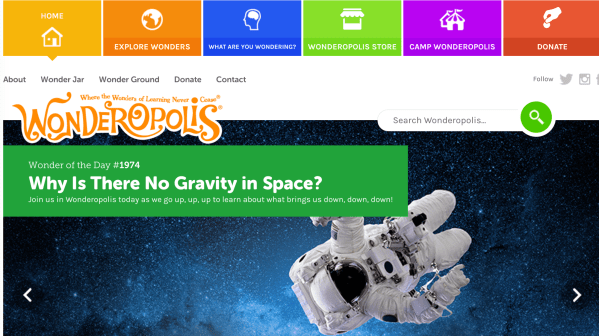
Wonderopolis is a great site for students to explore independently, or as a class “warm-up” as it rotates a new thought-provoking question a day. There is a ton of information, videos, etc… on a huge range of topics.

Biblionasium

Unlike Epic, Biblionasium does not have a catalog of the actual e-readers, however it is a fantastic digital bookshelf that manages student reading logs for you. The best part is, the students can recommend books to each other, you could recommend them to the whole class, or add titles to a specific student’s bookshelf.

Book Creator: iPad

Book Creator has been a familiar resource for a few years now, but constant updates to the program have now really begun to unleash possibilities. The online platform allows our students to really tap into the ease with which they can create e-books and organize them on a digital bookshelf. It could even be a viable alternative to websites for housing and publishing their research projects.

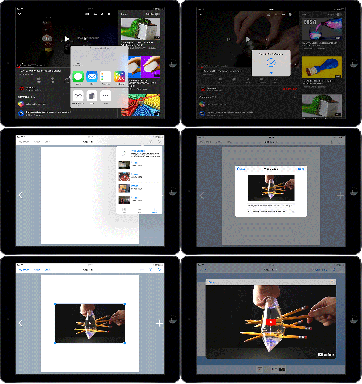
Book Creator has also added a major update this Fall; the ability to embed content from

embedding-a-youtube-video-in-book-creator-ipad
Embed from other sites and apps with a click of a button!

other sites and applications!

Explore some samples of ways our students have used Book Creator below!

EPIC

This resource, Epic, is a digital library of over 30,000 books, free to educators where students can keep a bookshelf of fiction and nonfiction. Excellent extra option for research resources, as well as for igniting an interest in pleasure reading. I am happy to set this up for you and your class if you are interested in using it.
Blog at WordPress.com.

Up ↑